COOPerasyon ang susi sa Magandang Buhay!
Analyzing operational challenges across modern cooperatives, and the strategic blueprint Sibol Mamamayan Cooperative (SMCC) is deploying to eliminate administrative bottlenecks and unlock collective market prosperity.
Overcoming Sectoral Roadblocks
A comparative assessment of traditional ecosystem failures and the technological solutions engineered by SMCC.
Common Structural Challenges
Deficient Leadership Training
Management staff and cooperative leaders often present limited operational business knowledge and specialized execution skills required to scale programs successfully.
Suppressed Patronage Barriers
Members frequently fail to patronize internal products due to heavy logistical transportation costs and price markups that make community goods more expensive than mainstream options.
Severe Technological Deserts
Many cooperatives lack standard software, relying heavily on manual paper reporting. This leads directly to data errors, slowed progress, and opaque tracking systems.
Unequal Corporate Competition
Small networks constantly struggle against heavily-funded conglomerates, losing market share due to unoptimized branding, archaic distribution networks, and weak marketing footprints.
Innovation Stagnation
Short-term planning cycles and reliance on a small, exhausted core group of active members severely limits structural diversification and slows long-term sustainability efforts.
The SMCC Structural Response
Systematic Governance Training
SMCC installs institutionalized regular training programs covering leadership, modern marketing strategies, financial compliance, and cooperative governance for both officers and members.
Optimized Supply-Chain & Direct Delivery
By partnering directly with elite global manufacturers, we secure premium base-tier wholesale pricing. This value is reinforced by an integrated door-to-door delivery network for members.
Cloud-Based Digital Infrastructure
We eliminate manual ledger entry by deploying modern inventory controls, automated accounting software, and direct digital payment rails alongside real-time personal member portal tracking apps.
Aggressive Brand Positioning
SMCC actively scales market reach through multi-channel digital visibility campaigns, strategic commercial alliances, and cooperative co-branding to match corporate competition head-on.
SMCC Businesses & Opportunities
High-quality household consumer essentials, wellness formulations, and advanced agricultural solution matrices.
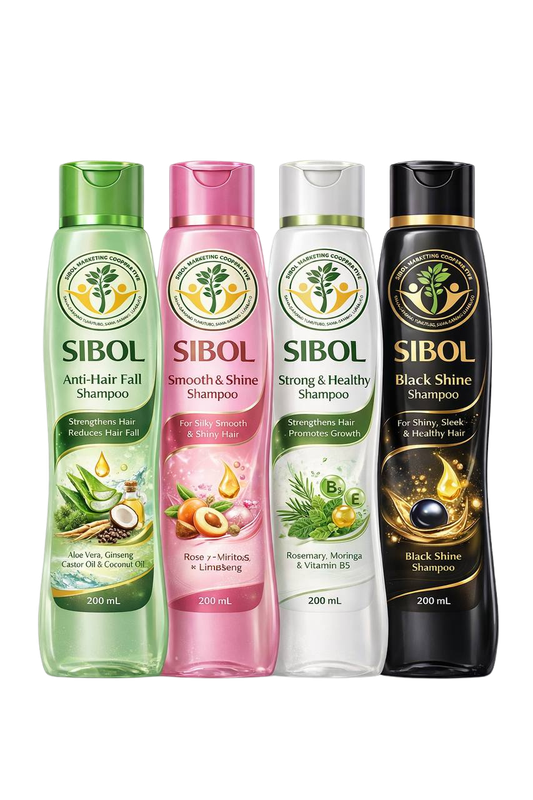
Sibol Shampoo

Sibol Soap

Sibol Deodorant
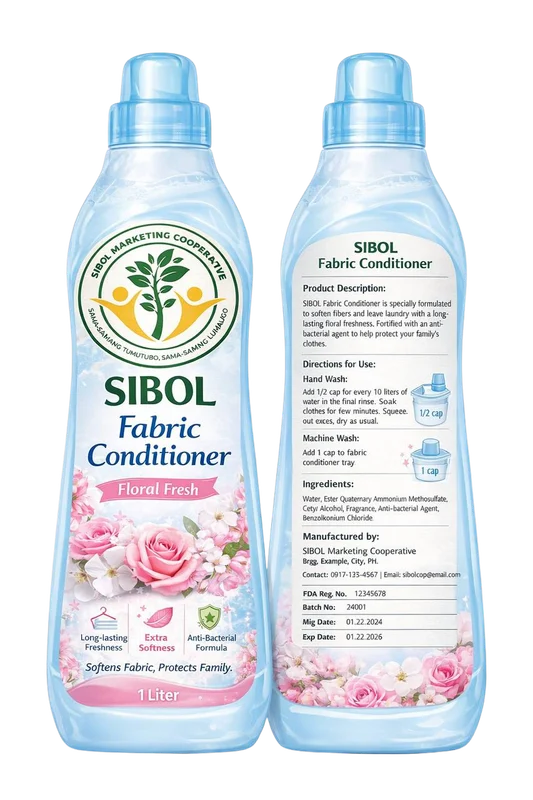
Sibol Conditioner

Sibol Foliar
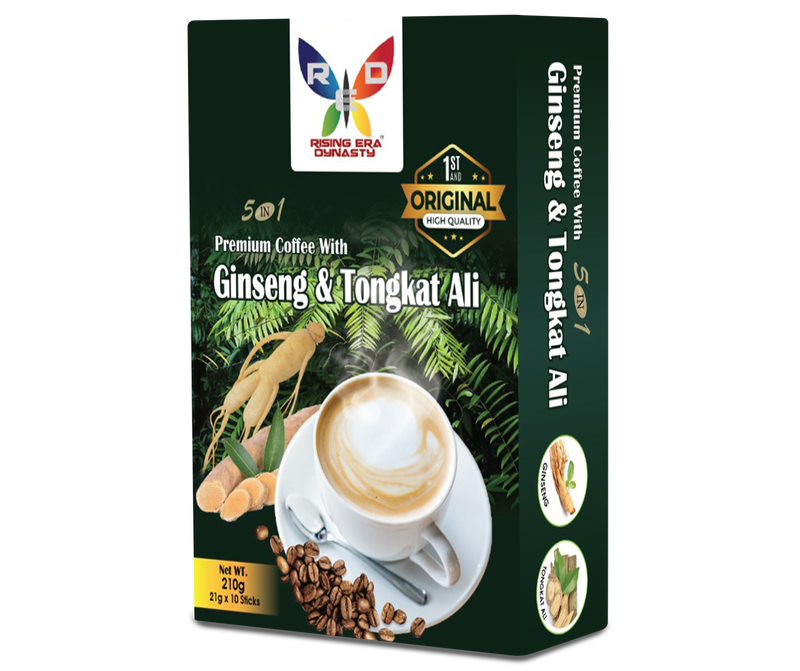
Sibol Ginseng

Sibol Grand

Sibol Hand Soap

Sibol Liquid
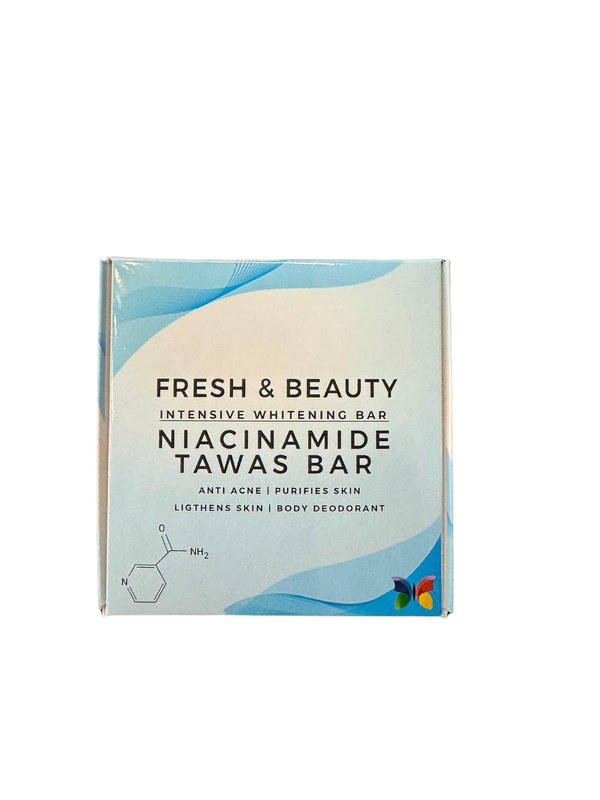
Sibol Nia

Sibol Night Pad

Sibol Vit
Strategic Growth Frontiers
Partnership and Collaboration with Government, Coop and Associations
SMCC offers high-quality agricultural products such as fertilizers, soil conditioners, pesticides, animal feeds, and supplements, creating strong opportunities to expand our reach in the farming sector. As a PHILGEPS-registered cooperative, SMCC can participate in government bidding and supply agricultural needs to various agencies and projects. We also aim to serve large landowners, partner with cooperatives, and work closely with farmers’ associations to deliver quality and affordable farming solutions while strengthening agricultural communities.
Digital Sales and Online Visibility
SMCC will expand its reach through digital sales and affiliate programs, making products easily accessible to members and customers. The cooperative will maintain strong visibility on major platforms such as Facebook, Lazada, Shopee, and TikTok, allowing convenient online browsing, ordering, and sharing of SMCC products.
SMCC Privilege Card
For only ₱300, the SMCC Privilege Card gives members access to exclusive discounts and special offers from SMCC external merchants. Enjoy more savings, member-only perks, and rewarding experiences—making every purchase more valuable as a proud Sibol Mamamayan member.
Import and Export
An Import–Export business is a high-potential, scalable opportunity for a cooperative because it aligns perfectly with collective capital, shared risk, and member participation—especially in the Philippines.